software hecho a la medida / custom-made software

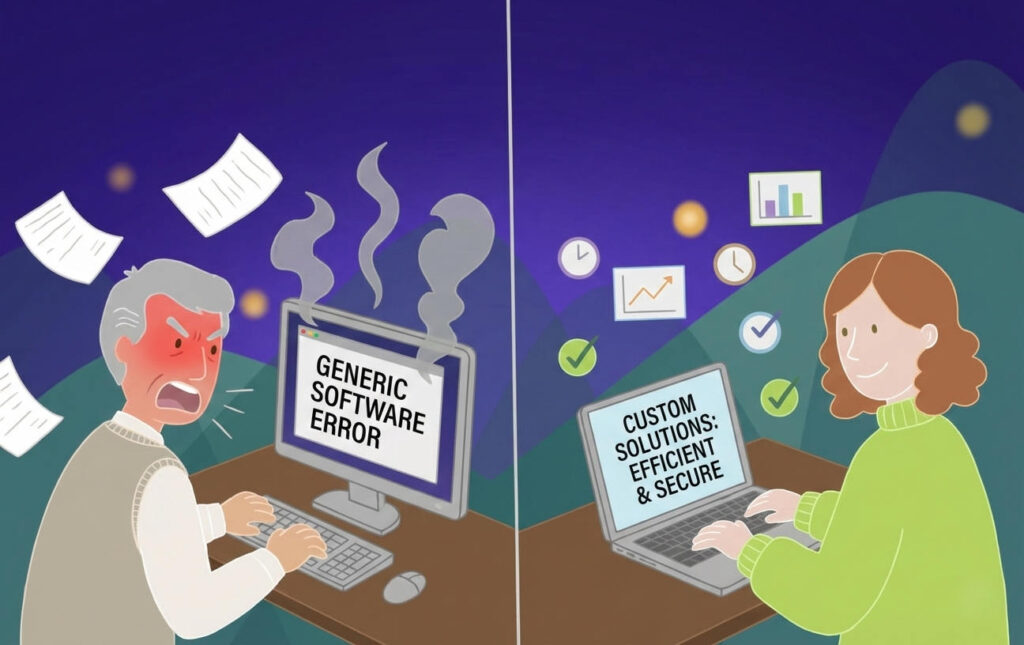
Is Your Company Adapting to the Software, or Is the Software Adapting to your Company?

There are a lot of questions about custom-made software. In the digital age, operational efficiency is no longer a luxury—it is a necessity. Many companies start by using “off-the-shelf” commercial tools that promise to solve everything. However, as a business grows and specializes, these generic solutions often start to fall short or, worse, become an obstacle.

Here are the key advantages of investing in custom-made administrative software.

1. Total Customization: A Glove for Your Operation

The main advantage is simple yet powerful: the software is built around your current processes. Instead of changing how you work to understand a complex program, the program is designed to enhance what you already do well.

2. Limitless Scalability

When you buy a generic software license, you are tied to their update plans. With custom development, the system grows with you. If you decide to add a new business line tomorrow, the software evolves to integrate it.

3. Seamless Integration with Other Tools

It is common for companies to use different apps for sales, accounting, and HR that don’t talk to each other. Custom software acts as the central brain, integrating all your existing tools into a single dashboard.

4. Superior Security

Massive commercial softwares are frequent targets for attacks. A custom solution is less predictable for hackers. You decide the access levels and encryption protocols, keeping your confidential information under your absolute control.

5. Competitive Advantage and Intellectual Property

By developing your own software, you are creating an asset for your company. Your competitors cannot buy the same tool, allowing you to operate with an agility that they simply don’t have.

Conclusion

Custom administrative software is like a tailored suit: it projects professionalism, fits perfectly, and allows you to move freely. If your team spends more time “fighting” the system than serving customers, it’s time to make the leap.
c'est quoi le seo

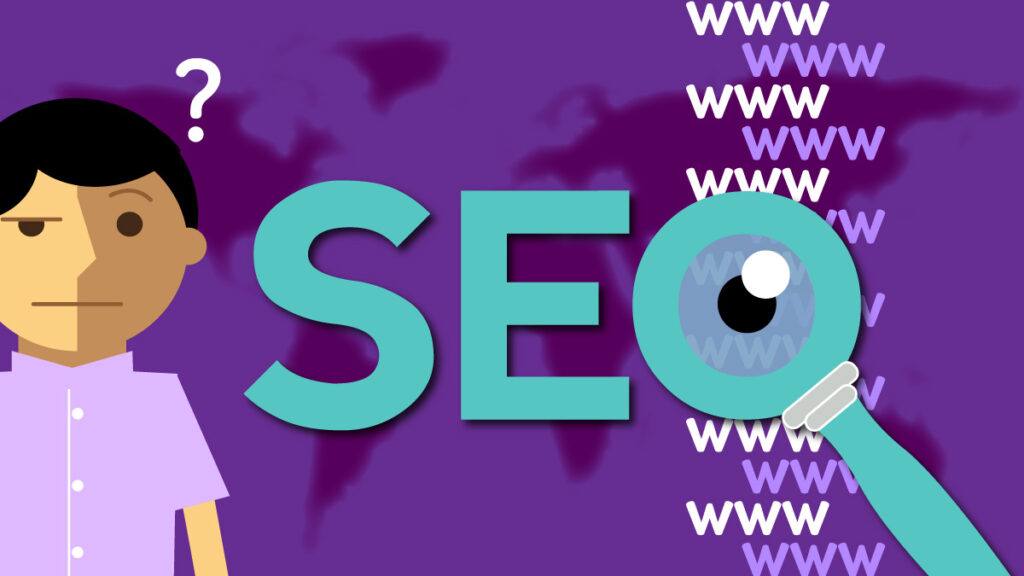
What Is SEO and Why Is It Essential for Small Businesses?

SEO (Search Engine Optimization) is one of the most effective and affordable tools to increase your business’s online visibility. If you have a website and want new clients to find you on Google, Bing, and other web browsers, improving your organic ranking is essential. This guide explains what SEO is, how it works, and why it can make a big difference in your digital strategy.

What Is SEO?

SEO stands for Search Engine Optimization. It’s a set of practices designed to help your website appear in the top search results when people look for products or services related to your business.

Unlike paid advertising, SEO drives organic traffic —free visits from search engines— in a long-lasting way.

Why Is SEO Important for Small Businesses?

  1. Boosts your local visibility.
    If you have a physical shop or offer services in a specific area, local SEO can help nearby customers find you.
  2. Brings quality traffic.
    People who come from Google usually have a clear need. That means higher chances of conversion.
  3. Long-term investment.
    Unlike ads, SEO provides ongoing benefits. A well-optimized page can keep attracting traffic for months or years.

Key SEO Elements for Small Businesses

  • Relevant keywords: Research how your customers search online and use those terms in your titles and content.
  • Useful, clear content: Publish information that answers questions or solves problems.
  • Mobile-friendly design: Google prioritizes websites that work well on phones.
  • Fast loading speed: A fast site improves user experience and SEO.
  • Local presence: Create and optimize your Google Business Profile and include your location in your text.
  • Trusted backlinks: If other sites link to yours, Google sees your page as more valuable.

Conclusion: SEO Is Not Optional

SEO is a fundamental tool for online growth, especially for small businesses with limited resources. You don’t need a huge budget —just a clear strategy, valuable content, and consistency.

Investing in SEO today means building visibility for tomorrow.

Flyers: Are They Useful?

In Mexico, the use of flyers is still common. However, their cost is rising because it’s not just about paying for the design and printing. Usually, you also need to hire flyer distributors to hand them out.

Although, as we mentioned, the reach of flyers is broad, they don’t always reach the right audience.

We often see flyers rolled up on fences, stuck to car windows, etc.

Unfortunately, many of these prints end up in the trash.

Both the client and the end-user are aware of this, yet a lot of effort is still put into the design and content of the flyers.

They are much more effective when they include a promotional code, coupon, or any element that encourages the user to keep the print. Mi Patio.MX and Hippo Restaurante made good use of this idea.

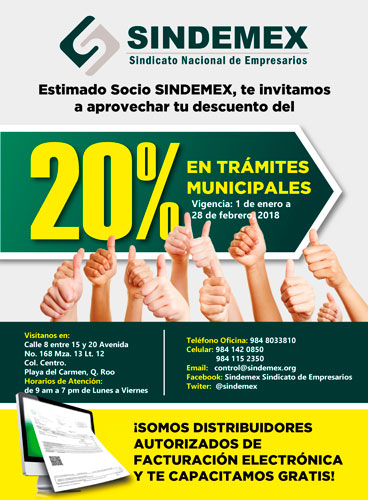
Here are some examples from our clients:

The evolution of flyers:

The advantage now lies in the popularity of social media and the advertising—both organic and paid—that it offers.

By organic, we mean the reach achieved without financial investment, gained through users voluntarily sharing the content.

Today, it’s possible to reach people who are genuinely interested in what we have to say. Through segmentation, it’s much easier to attract clients and/or achieve more effective brand recognition. For instance, Riviera Maya Catamarans often shares its content with its main clients, who are based in the United States.

In general, social media ads contain little text (a maximum of 20%), as this makes them easier to approve on the platform and more appealing to the end-user. Unfortunately, in our country, people read very little and prefer to see the text directly on the image. For this reason, exceptions are often made with longer text.

Below, we showcase a few examples of our work.